
5G Coverage Maps Across Major Carriers (2026)
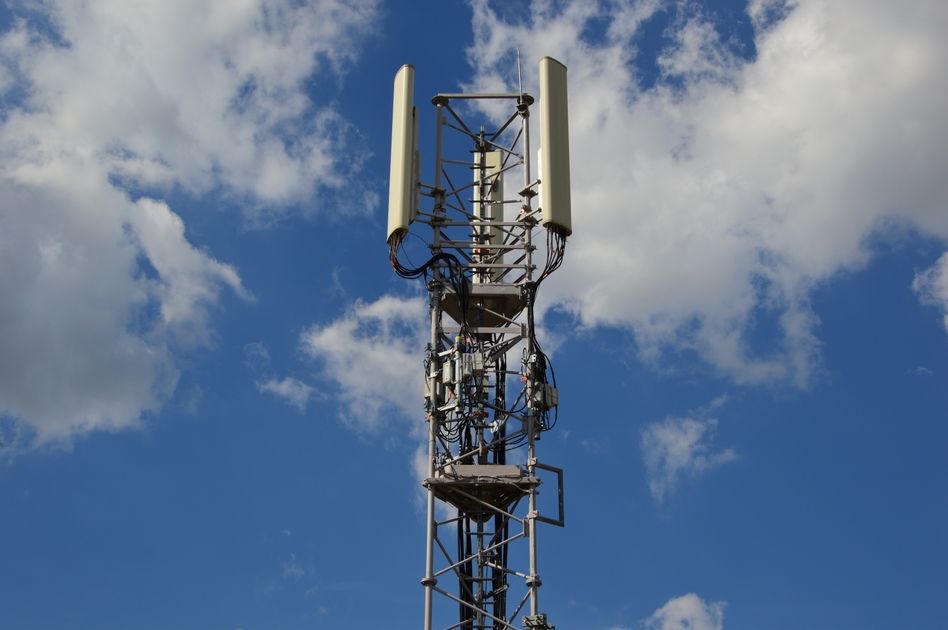
Photo by Ulrick Trappschuh on Pexels
Quick note: Supacells is an independent information site. We don’t sell wireless service. This article is educational only.
5G coverage maps tell you whether a carrier offers 5G in your area — but they’re notoriously optimistic. The real question isn’t “is 5G here?” but “is fast 5G here AND does it work indoors?” This guide explains how to read coverage maps and verify actual service before signing up.
Where to Find Official Coverage Maps
| Carrier | Map URL |
|---|---|
| T-Mobile | t-mobile.com/coverage |
| Verizon | verizon.com/coverage-map |
| AT&T | att.com/maps/wireless-coverage.html |
| FCC (official) | fcc.gov/BroadbandData/MobileMaps |
The FCC map is the most independent. Carrier maps often show coverage more favorably.
What Coverage Maps Show (and Don’t)
What they show:
- 5G coverage areas (color-coded)
- Sometimes types of 5G (low-band, mid-band, mmWave)
- 4G LTE as fallback
- Geographic boundaries
What they don’t show:
- Actual speeds in specific spots
- Indoor coverage vs outdoor
- Congestion / capacity issues
- Building-by-building variations
- Tower outages
- Roaming coverage
US 5G Coverage by Carrier (2026)
T-Mobile
- Largest 5G footprint in US
- Strong mid-band (2.5 GHz) coverage in 300+ million POPs
- Rural low-band 5G widespread
- Limited mmWave
- Best overall 5G speeds nationally
Verizon
- Strong urban and suburban coverage
- C-band mid-band deployment expanding
- Most mmWave (though still limited)
- Premium pricing
AT&T
- Solid national 4G + growing 5G
- C-band mid-band deployment
- Less mmWave
- Competitive pricing with Verizon
MVNOs (Mint, US Mobile, Visible, etc.)
- Use major carrier networks
- Mint, Visible: T-Mobile/Verizon networks
- US Mobile: Multiple network options
- Coverage matches host network
How to Read 5G Coverage Maps Critically
| Map Color | Actual Reality |
|---|---|
| Solid coverage area | Probably outdoors near tower |
| Coverage edge | Likely spotty, indoor may fail |
| 5G+ / 5G UC / 5G UW labels | ”Fast 5G” — mid-band or mmWave |
| Generic “5G” | Could be slow low-band |
Reality test: Coverage at exact address often differs from map. Verify with neighbors or trial period.
What “Coverage” Really Means
Carriers count coverage as “signal available.” It doesn’t mean:
- Good indoor signal
- Fast speeds
- No dropped calls
- Mid-band 5G availability
Verifying Coverage at Your Address
Best practices:
- Check FCC Broadband Map — independent source
- Search Reddit / local groups for your city + carrier name
- Ask neighbors about their experience
- Buy trial month if possible
- Visit physical store with your device for testing
Most carriers offer 15–30 day trials letting you test then cancel.
Carrier-Specific Coverage Strengths
| Carrier | Strong | Weak |
|---|---|---|
| T-Mobile | Suburbs, mid-band 5G, rural low-band | Some rural areas (improving) |
| Verizon | Urban, established network | Some rural areas, mmWave underdeveloped |
| AT&T | Roaming partnerships, suburbs | C-band still expanding |
Coverage by Region (Generalizations)
| Region | Best Carrier (Often) |
|---|---|
| Northeast urban | T-Mobile or Verizon |
| West Coast urban | T-Mobile, Verizon, AT&T all good |
| South urban | AT&T, T-Mobile |
| Midwest | All major carriers solid in cities |
| Rural West | Verizon or AT&T (more rural infrastructure) |
| Rural South | T-Mobile (growing rural 5G) |
| Tribal lands | Often gaps; check FCC programs |
These are generalizations — always check specific address.
When Coverage Maps Are Misleading
| Issue | Reality |
|---|---|
| Building penetration | Worse than outdoor coverage |
| Basement / interior rooms | Often no signal even in “covered” area |
| Tree-dense areas | mmWave/mid-band blocked |
| Tall building shadows | Coverage gaps |
| Bunker / underground | Generally no service |
Multi-Carrier Strategy
Some users keep multiple SIMs for reliability:
- Primary SIM for daily use
- Secondary SIM (eSIM) for backup
- Travel SIM for trips
eSIM makes this easier. See eSIM Explained.
What to Do If Coverage Is Bad
| Step | Action |
|---|---|
| 1 | Test thoroughly within trial period |
| 2 | If poor, return device and switch |
| 3 | Try MVNO on different network |
| 4 | Use WiFi calling for indoor calls |
| 5 | Consider signal booster (FCC-approved only) |
| 6 | Switch carrier entirely |
Signal Boosters
FCC-approved cell signal boosters can help in poor-coverage homes:
- weBoost
- SureCall
- HiBoost
Verify your carrier supports boosters and that the device is FCC-certified.
Helpful Resources
📖 FCC Mobile Broadband Map — independent coverage data.
📖 Ookla Speedtest Map — real-world speeds.
📖 Carrier websites — official coverage maps.
📖 CTIA WiFi Calling Info — WiFi calling resources.
FAQ — 5G Coverage Maps
Q: Which carrier has the best 5G coverage? A: T-Mobile typically has the largest 5G footprint with best mid-band coverage. Varies by location.
Q: Can I trust coverage maps? A: They’re optimistic. Verify with FCC map, local users, and trial periods.
Q: Why doesn’t 5G work in my house? A: 5G signals (especially mid-band and mmWave) penetrate buildings worse than 4G. Building materials, distance from tower, and indoor obstructions all matter.
Q: Is the FCC map more accurate? A: It uses provider-submitted data but is more independent than carrier maps directly. Use multiple sources.
Q: What’s the best way to test coverage? A: Buy a trial month at the address you’ll use it most. Test indoors, outdoors, and during typical activities.
Related Reading on Supacells
- 5G Technology Explained
- 5G vs 4G LTE: Real-World Differences
- 5G mmWave vs Sub-6
- 5G Home Internet Explained
- Best eSIM Providers for International Travel
Bottom Line
Carrier coverage maps over-promise. FCC Broadband Map is more independent. T-Mobile typically leads in 5G coverage US-wide; Verizon in urban areas; AT&T in select regions. Always verify with trial period at your actual address before committing. Coverage at your front door doesn’t guarantee coverage in your basement.
Disclaimer: This article is for informational and educational purposes only. Supacells does not sell wireless service. For coverage details, check official carrier maps and FCC Broadband Map.
By Supacells Editorial · Updated May 9, 2026
- 5G coverage
- carrier maps