
5G Technology Explained: What It Is and Why It Matters (2026)
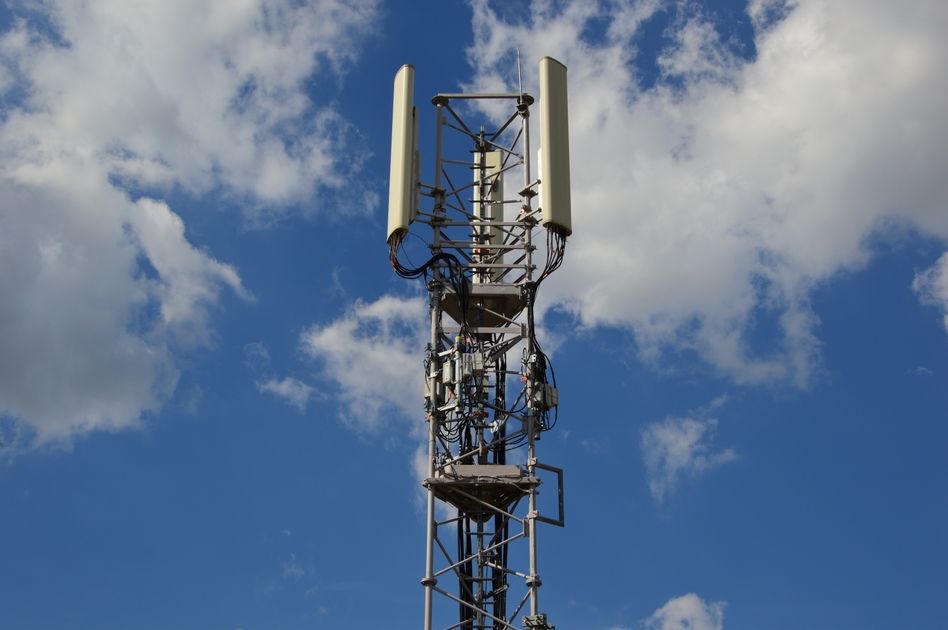
Photo by Ulrick Trappschuh on Pexels
Quick note: Supacells is an independent information site. We don’t sell wireless service. This article is educational only.
5G is the fifth generation of cellular network technology. In 2026, it has matured into the dominant US mobile network, increasingly capable of replacing home internet, and powering new technologies like autonomous vehicles and remote surgery. This guide explains what 5G is, how it works, and why it actually matters.
What 5G Promises Over 4G LTE
| Capability | 4G LTE | 5G |
|---|---|---|
| Peak speed | ~100 Mbps | Up to 10 Gbps |
| Typical speed | 10–50 Mbps | 100–1000+ Mbps |
| Latency | 30–50 ms | 1–10 ms |
| Capacity (devices/sq km) | ~10,000 | ~1,000,000 |
| Reliability | Variable | Much improved |
In practice, US 5G in 2026 doesn’t always hit peak claims — but average performance significantly exceeds 4G.
The Three Types of 5G
| Type | Frequency | Speed | Range | Where Used |
|---|---|---|---|---|
| Low-band 5G | Sub-1 GHz | 50–250 Mbps | Miles | T-Mobile broad coverage |
| Mid-band 5G (C-band) | 2.5–4 GHz | 200–900 Mbps | Up to a mile | Most modern 5G |
| High-band (mmWave) | 24+ GHz | 1–4 Gbps | A block | Stadiums, dense urban |
In 2026, mid-band 5G is the practical “fast 5G” most users experience. High-band mmWave is rare; low-band is widespread but not much faster than 4G.
See 5G mmWave vs Sub-6.
Real-World 5G Speeds in 2026
| Carrier | Average Download | Coverage |
|---|---|---|
| T-Mobile | ~200 Mbps | Best in US |
| Verizon | ~150 Mbps | Strong in cities |
| AT&T | ~100 Mbps | Good national |
(Numbers vary; Ookla and Speedtest publish quarterly updates.)
Average 5G now significantly exceeds typical 4G LTE.
5G Uses Beyond Phones
| Use Case | Why 5G Matters |
|---|---|
| Home internet (5G fixed wireless) | Replaces cable in some areas |
| Smart cities | Many low-power devices |
| Autonomous vehicles | Low latency for sensors/decisions |
| Remote surgery (theoretical) | Ultra-low latency required |
| Industrial IoT | Massive device density |
| AR/VR | Bandwidth + low latency |
| Cloud gaming | Bandwidth + low latency |
| Live streaming | High upload speeds |
See 5G Use Cases Beyond Phones.
How 5G Actually Works
Three technical innovations enable 5G:
1. Higher frequencies
Higher frequency = more bandwidth = more data. Trade-off: shorter range and worse penetration.
2. Massive MIMO
Many antennas focus signals to specific devices (beamforming) instead of broadcasting widely.
3. Network slicing
One physical network can be virtually split for different uses (low-latency for vehicles, high-bandwidth for streaming).
5G Phones in 2026
All modern smartphones support 5G. Differences:
| Phone Type | 5G Support |
|---|---|
| Sub-$200 phones | Sub-6 5G |
| Mid-range ($200–$600) | Sub-6 + sometimes mmWave |
| Flagship ($800+) | Full sub-6 + mmWave |
| iPhones (US versions, 12+) | Full 5G |
See 5G Phones in 2026: What to Look For.
5G Health Concerns
Extensive research has found no credible health risks from 5G at exposure levels in consumer devices. FDA, WHO, FCC, and ICNIRP all reviewed evidence and approved 5G deployment.
See 5G Health Concerns: What Science Says.
5G Coverage Maps
| Carrier | Map Source |
|---|---|
| T-Mobile | t-mobile.com/coverage |
| Verizon | verizon.com/coverage |
| AT&T | att.com/coverage |
| Federal | FCC Broadband Map |
Coverage maps over-promise; check actual user reports for your area.
Common 5G Misconceptions
| Misconception | Reality |
|---|---|
| ”5G is dangerous” | No credible evidence of harm |
| ”5G replaces all WiFi” | Complement, not replacement |
| ”All 5G is fast” | Low-band 5G is barely faster than 4G |
| ”mmWave is everywhere” | Very limited deployment |
| ”I need 5G immediately” | 4G LTE still serves most users fine |
5G Home Internet
Major US carriers offer 5G as home broadband:
| Carrier | Speed | Cost |
|---|---|---|
| T-Mobile Home Internet | 50–415 Mbps | $50/month |
| Verizon 5G Home | 85–1000 Mbps | $50–$80/month |
| AT&T Internet Air | 25–300 Mbps | $55/month |
Competitive with cable in many markets. See 5G Home Internet Explained.
What’s Coming Next: 6G
Research already underway:
- Sub-terahertz frequencies (95 GHz – 3 THz)
- Sub-millisecond latency
- Integration with AI and edge computing
- Expected mid-2030s commercial deployment
Helpful Resources
📖 FCC 5G Information — official US 5G information.
📖 CTIA Wireless Industry Association — wireless industry information.
📖 Ookla 5G Map — real-world 5G speeds.
FAQ — 5G Technology
Q: Is 5G faster than 4G? A: Yes — mid-band 5G typically 5–10× faster than 4G LTE. Low-band 5G is only marginally faster than 4G.
Q: Is 5G safe? A: All major health and regulatory bodies have reviewed evidence and found no credible safety concerns at consumer exposure levels.
Q: Do I need a new phone for 5G? A: 5G-capable phone required. Most phones sold since 2020 support 5G.
Q: Will 5G replace WiFi? A: Unlikely. 5G is great for mobile and where wired internet isn’t available. WiFi remains better for many home use cases.
Q: Is 5G home internet good? A: For most users in covered areas, yes — comparable to cable internet at lower cost.
Related Reading on Supacells
- 5G vs 4G LTE: Real-World Differences
- 5G Home Internet Explained
- 5G Phones in 2026
- 5G mmWave vs Sub-6
- 5G Health Concerns: What Science Says
Bottom Line
5G in 2026 is the dominant mobile network, with real-world performance significantly better than 4G. Mid-band 5G is the practical “fast 5G” most users experience. 5G is enabling new uses like home internet replacement, IoT, and cloud gaming. Health concerns lack scientific support. For most users, 5G is a meaningful upgrade over 4G LTE without requiring action.
Disclaimer: This article is for informational and educational purposes only. Supacells does not sell wireless service. For coverage and plans, check carrier websites.
By Supacells Editorial · Updated May 9, 2026
- 5G technology
- cellular
- wireless