
5G Health Concerns: What Science Says (2026)
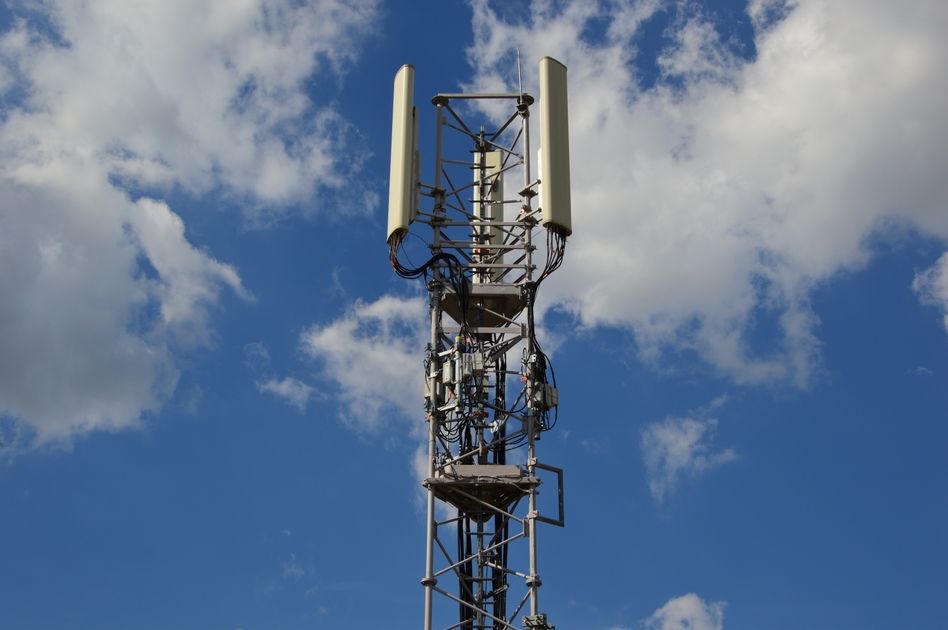
Photo by Ulrick Trappschuh on Pexels
Quick note: Supacells is an independent information site. We don’t provide medical advice. This article summarizes scientific consensus from major regulatory bodies.
5G health concerns have circulated since deployment began. Some worries stem from genuine scientific questions about how RF (radio frequency) exposure affects health; others stem from conspiracy theories without scientific basis. This guide summarizes what major scientific and regulatory bodies have concluded — based on extensive review of available evidence.
The Scientific Consensus
Major health and regulatory organizations that reviewed 5G evidence:
| Organization | Conclusion |
|---|---|
| World Health Organization (WHO) | No established health effects from low-level RF exposure including 5G |
| Federal Communications Commission (FCC) | 5G safe at exposure limits established |
| Food and Drug Administration (FDA) | No credible evidence of harm |
| International Commission on Non-Ionizing Radiation Protection (ICNIRP) | Reaffirmed safety guidelines for 5G |
| European Commission Scientific Committee | No demonstrated adverse health effects |
| American Cancer Society | No strong evidence linking RF to cancer |
| National Institutes of Health (NIH) | Reviews show low risk |
Consensus: 5G at consumer exposure levels poses no established health risk.
What 5G Actually Is
5G uses non-ionizing radiation (radio frequencies):
| Radiation Type | Examples |
|---|---|
| Ionizing (can damage DNA) | X-rays, gamma rays, UV (sunburn) |
| Non-ionizing (does not damage DNA) | Radio waves, microwaves, WiFi, 4G, 5G, visible light |
5G uses the same general type of energy as your microwave, WiFi, and TV broadcasts — at much lower power levels.
Common 5G Concerns Addressed
”5G causes COVID-19”
Scientific reality: False. Viruses spread via biological mechanisms; radio waves cannot transmit viruses. This conspiracy theory was widely debunked.
”5G higher frequencies are more dangerous”
Scientific reality: Frequency alone doesn’t determine harm. mmWave 5G (high frequency) actually penetrates body tissues less than lower frequencies. Power level and exposure duration matter more than frequency.
”5G causes cancer”
Scientific reality: Reviews from American Cancer Society, NIH, and others have found no clear link between consumer-level RF exposure and cancer. WHO/IARC classifies RF as “possibly carcinogenic” (Group 2B), the same category as pickled vegetables and aloe vera — meaning evidence is limited and inconclusive, not that harm is established.
”Cell towers emit too much radiation”
Scientific reality: Cell towers emit radio waves, but exposure at ground level is far below safety limits. The inverse square law means signal strength drops dramatically with distance.
”5G interferes with biological functions”
Scientific reality: No demonstrated mechanism for low-power, non-ionizing radio waves to disrupt biological processes at consumer exposure levels. Extensive studies have found no clinical effects.
Safety Limits
The FCC sets RF exposure limits for consumer devices:
- Specific Absorption Rate (SAR) — measure of energy absorbed by body
- US limit: 1.6 W/kg averaged over 1 gram of tissue
- All phones must pass SAR testing before sale
- Manufacturers publish SAR values
Phone SAR values are typically well below the limit. Holding the phone slightly away from the body further reduces exposure.
Practical Risk Reduction (If You’re Concerned)
If you want to reduce RF exposure as precaution:
| Practice | Reduces Exposure |
|---|---|
| Use speaker mode for calls | Yes |
| Use wired headphones | Yes |
| Hold phone slightly away from head | Yes |
| Text instead of call | Yes |
| Lower phone usage when signal weak | Yes (phones boost power) |
| Keep phone away from body when not in use | Yes |
These are precautionary, not evidence-based necessities.
What Real Research Says
Major studies on RF and health:
| Study | Finding |
|---|---|
| INTERPHONE (WHO) | No clear increased cancer risk from heavy mobile phone use |
| Million Women Study | No increased brain tumor risk |
| Hardell studies | Some weak associations but methodological concerns |
| National Toxicology Program (rats) | Slight tumor increase in rats exposed to very high levels — relevance to humans questioned |
| Multiple meta-analyses | No clear pattern of harm at consumer levels |
The science isn’t entirely settled, but no clear pattern of harm has emerged from decades of research.
Why Concerns Persist
Despite scientific consensus, public concerns persist due to:
- General mistrust of new technology
- Misinterpretation of scientific uncertainty
- Conspiracy theories amplified online
- Fear of unknown long-term effects
- Visual presence of cell towers
- Confusion between ionizing and non-ionizing radiation
These are understandable but not supported by evidence.
Reasonable Precaution vs Excess
There’s a difference between:
- Reasonable precaution (don’t sleep with phone on pillow, use speaker for long calls)
- Excess (anti-5G shields, blocking neighbor’s WiFi, fearing cell towers)
Most experts support the first while seeing the second as unnecessary worry.
If You Have Genuine Health Conditions
If you have:
- Implanted medical devices (pacemakers, etc.) — manufacturers provide RF guidance
- Electromagnetic hypersensitivity (EHS) — recognized by WHO as condition, but causal link to RF not established in studies
- General concerns about long-term effects — discuss with primary care physician
Helpful Resources
📖 WHO RF Fact Sheet — official WHO position.
📖 FCC RF Safety — US safety guidelines.
📖 FDA Cell Phone Information — FDA review.
📖 ICNIRP Guidelines — international scientific body.
What to Watch in the Future
Ongoing research areas:
- Long-term studies of heavy smartphone users
- Effects of cumulative RF exposure from multiple sources
- Specific populations (children, fetal development)
- Newer frequencies (mmWave specifically)
Major findings would be widely reported by major scientific bodies.
FAQ — 5G Health Concerns
Q: Is 5G safe? A: According to major scientific and regulatory bodies (WHO, FDA, FCC, NIH), 5G at consumer exposure levels poses no established health risk.
Q: Why do people still worry about 5G? A: Combination of mistrust of new technology, conspiracy theories, and misunderstanding of scientific uncertainty.
Q: Could 5G cause health problems we don’t know about yet? A: No technology can be proven 100% safe. But the cumulative evidence from decades of cellular network deployment shows no clear pattern of harm.
Q: Should I avoid 5G? A: Based on current science, no. If you’re concerned, practical precautions (speakerphone, wired headphones) cost nothing.
Q: What about cell phone use and brain cancer? A: Major studies (INTERPHONE, Million Women, others) have found no clear link. American Cancer Society reports no strong evidence.
Related Reading on Supacells
- 5G Technology Explained
- 5G vs 4G LTE: Real-World Differences
- 5G mmWave vs Sub-6
- 5G Phones in 2026
- 5G Use Cases Beyond Phones
Bottom Line
The scientific consensus from major health and regulatory bodies — WHO, FCC, FDA, NIH, ICNIRP — is that 5G at consumer exposure levels poses no established health risk. Reasonable precautions (speakerphone, wired headphones) cost nothing if you’re concerned. Conspiracy theories about 5G lack scientific support. The “possibly carcinogenic” classification by IARC applies to RF generally and is in the same category as pickled vegetables — meaning evidence is limited and inconclusive, not that harm is established.
Disclaimer: This article is for informational and educational purposes only. It is not medical advice, and Supacells does not provide medical care. For specific health concerns, consult a licensed healthcare provider.
By Supacells Editorial · Updated May 9, 2026
- 5G health
- wireless safety