
5G mmWave vs Sub-6: Key Differences (2026)
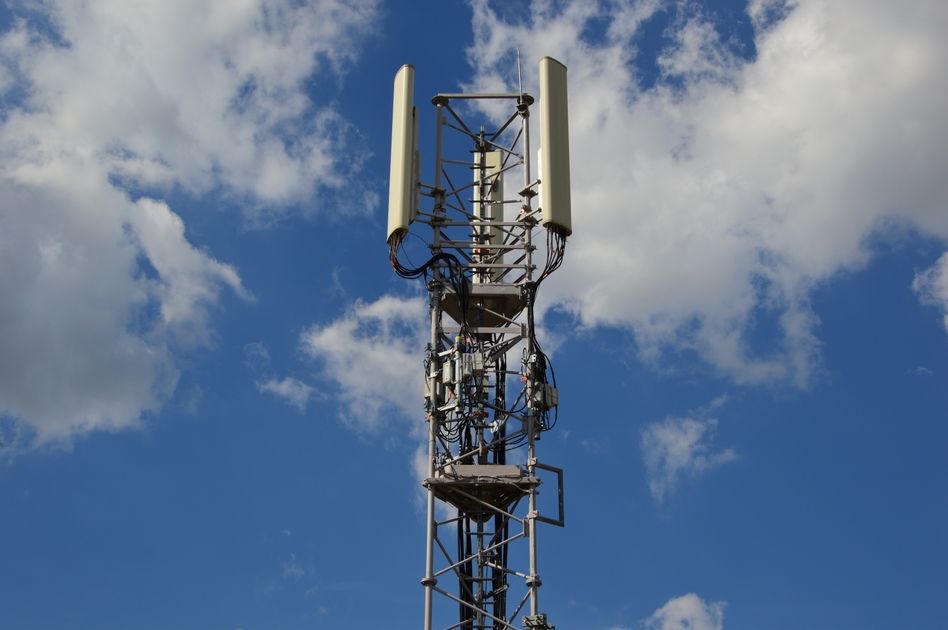
Photo by Ulrick Trappschuh on Pexels
Quick note: Supacells is an independent information site. We don’t sell wireless service. This article is educational only.
5G uses two main frequency categories: sub-6 GHz (below 6 GHz) and mmWave (millimeter wave, 24+ GHz). They have completely different physics, capabilities, and deployment realities. Understanding the difference is key to evaluating 5G coverage claims and phone purchase decisions.
At a Glance
| Feature | Sub-6 GHz | mmWave |
|---|---|---|
| Frequency | 600 MHz – 6 GHz | 24+ GHz |
| Speed | 50–900 Mbps | 1–4 Gbps |
| Range | Miles | A block (under 1,000 feet) |
| Building penetration | Good | Very poor |
| Where deployed | Most US 5G | Stadiums, dense urban only |
| Phone support | All 5G phones | Flagship phones |
Sub-6 Subcategories
| Band | Frequency | Speed | Range |
|---|---|---|---|
| Low-band | Sub-1 GHz | 50–250 Mbps | Many miles |
| Mid-band | 2–6 GHz | 200–900 Mbps | About a mile |
In US 2026:
- T-Mobile uses 2.5 GHz mid-band heavily
- Verizon uses C-band (3.7 GHz) mid-band
- AT&T uses C-band mid-band
Mid-band sub-6 is the practical “fast 5G” most users experience.
How mmWave Works
mmWave uses very high frequencies (24+ GHz):
Strengths:
- Massive bandwidth available
- Very fast speeds (1–4 Gbps)
- Low latency (5–10 ms)
Limits:
- Signal travels under 1,000 feet typically
- Doesn’t penetrate walls well
- Blocked by trees, glass (some types), rain
- Requires many small cells (cell towers)
- Battery-intensive in phone
These limits make mmWave practical only in dense areas with line-of-sight.
Where mmWave Is Deployed
| Area | mmWave Status |
|---|---|
| Major city downtowns | Limited mmWave |
| Sports stadiums | Often mmWave |
| Airport terminals | Sometimes mmWave |
| Dense urban core | Some mmWave |
| Suburbs | Almost none |
| Rural | None |
For most users in most places, mmWave is rarely accessible.
Sub-6 Realities by Carrier
| Carrier | Sub-6 Strategy |
|---|---|
| T-Mobile | Massive 2.5 GHz mid-band — best 5G US-wide |
| Verizon | Aggressive C-band rollout — strong urban performance |
| AT&T | Growing C-band — solid national coverage |
T-Mobile’s mid-band lead translated into best real-world 5G speeds.
What 5G Phones Support
| Phone | mmWave | Sub-6 |
|---|---|---|
| iPhone (US flagship) | Yes | Yes |
| iPhone (US standard) | Yes | Yes |
| iPhone (international) | No | Yes |
| Samsung Galaxy flagship | Yes | Yes |
| Samsung Galaxy mid-range | No usually | Yes |
| Pixel flagship | Yes | Yes |
| Pixel A series | No usually | Yes |
| Budget phones | No | Yes |
For most users, having mmWave is a “nice to have” rarely used.
Real-World Speed Examples
Reported peak speeds:
| Scenario | Speed |
|---|---|
| Sub-6 mid-band (typical) | 200–500 Mbps |
| Sub-6 mid-band (great signal) | 700–900 Mbps |
| mmWave (stadium) | 1–3 Gbps |
| mmWave (line-of-sight) | 2–4 Gbps |
| mmWave (slight obstruction) | Drops dramatically or fails |
When mmWave Matters
| Use Case | mmWave Useful? |
|---|---|
| Walking around major city | Sometimes |
| Sports stadium | Yes (very high traffic capacity) |
| Outdoor festival | Yes if deployed |
| Daily commute | Rarely |
| Home use | No (use 5G home internet sub-6) |
| Rural travel | No |
mmWave is great for high-density crowded events but doesn’t help typical daily use.
When Sub-6 Matters
| Use Case | Sub-6 Useful? |
|---|---|
| Anywhere with mid-band coverage | Yes |
| Daily commute | Yes |
| Streaming on the go | Yes |
| Suburban use | Yes (low-band 5G coverage) |
| Rural | Limited |
| Indoors | Mid-band penetrates buildings reasonably |
Sub-6 (especially mid-band) is the practical 5G most people experience.
The “5G+” / “5G UC” / “5G UW” Icons
When you see special icons:
| Icon | Means |
|---|---|
| 5G | Low-band or fallback |
| 5G+ (AT&T) | Mid-band C-band or mmWave |
| 5G UC (T-Mobile) | Mid-band 2.5 GHz or mmWave |
| 5G UW (Verizon) | C-band or mmWave |
These typically indicate “fast 5G” you can really tell the difference with.
Should You Care About mmWave Phone Support?
| Profile | mmWave Phone? |
|---|---|
| Frequent stadium / concert goer | Worth it |
| Major city downtown user | Maybe |
| Suburban user | Not needed |
| Rural user | Not needed |
| Will keep phone 5+ years | Probably worth it |
| Cost-conscious | Skip it (mid-range fine) |
For most users, mmWave phone support is rarely accessed and not worth the price premium.
What Comes Next
Future 5G evolution:
- More mid-band spectrum (additional carriers, FCC auctions)
- 6G research in sub-THz frequencies
- Network slicing for specialized use cases
- Standalone 5G (5G SA) rolling out
See Standalone vs Non-Standalone 5G.
Helpful Resources
📖 FCC 5G Information — official 5G information.
📖 Ookla 5G Map — real-world speed data.
📖 Carrier coverage maps — for specific area mmWave deployment.
FAQ — 5G mmWave vs Sub-6
Q: What’s faster, mmWave or sub-6? A: mmWave peak speeds are higher (1–4 Gbps vs 200–900 Mbps for sub-6). But mmWave is rarely accessible; sub-6 mid-band is the practical fast 5G.
Q: Do I need mmWave? A: For most users no. Mid-band sub-6 covers daily needs. mmWave only useful in specific dense areas.
Q: Why is mmWave so limited? A: Physical limits — high frequency = short range + poor penetration. Requires expensive dense small-cell deployment.
Q: Which carrier has best 5G? A: T-Mobile typically leads in sub-6 mid-band coverage and speeds in US. Varies by location.
Q: Should I buy a phone with mmWave? A: Only if you’re in mmWave-deployed areas regularly. Otherwise save money on mid-range without mmWave.
Related Reading on Supacells
- 5G Technology Explained
- 5G vs 4G LTE: Real-World Differences
- 5G Phones in 2026
- Standalone vs Non-Standalone 5G
- 5G Coverage Maps Across Major Carriers
Bottom Line
Sub-6 5G (especially mid-band) is the practical “fast 5G” most users experience. mmWave is rare, fast, and short-range — useful in stadiums and dense urban areas but rarely accessed by typical users. Don’t pay phone premium for mmWave unless you’re in covered areas often.
Disclaimer: This article is for informational and educational purposes only. Supacells does not sell wireless service. For coverage details, check carrier websites.
By Supacells Editorial · Updated May 9, 2026
- mmWave
- Sub-6
- 5G bands