
Standalone vs Non-Standalone 5G Networks (2026)
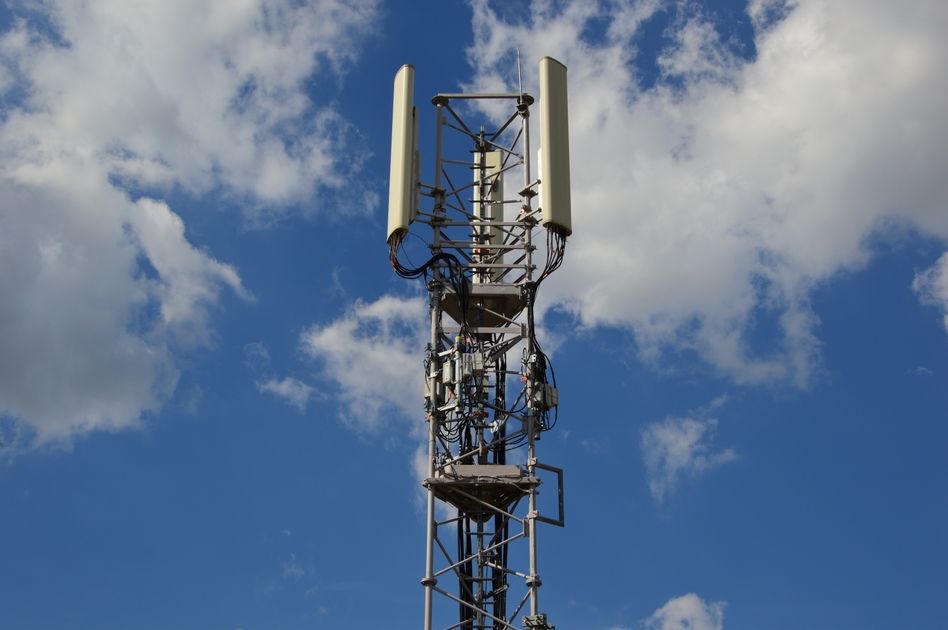
Photo by Ulrick Trappschuh on Pexels
Quick note: Supacells is an independent information site. We don’t sell wireless service. This article is educational only.
Most 5G in the US is Non-Standalone (NSA) — meaning the radio is 5G but it relies on 4G LTE infrastructure for core network functions. The “real” 5G — Standalone (SA) — uses a pure 5G network top to bottom and enables capabilities NSA can’t fully deliver. This technical distinction matters for the future of 5G features.
Quick Definitions
- Non-Standalone (NSA): 5G radio + 4G LTE core network. Most US 5G in 2026.
- Standalone (SA): 5G radio + 5G core network. Required for full 5G capabilities.
What Each Enables
| Feature | NSA | SA |
|---|---|---|
| Faster speeds than 4G | Yes | Yes |
| Better than 4G capacity | Yes | Yes |
| Ultra-low latency (1–10 ms) | No | Yes |
| Network slicing | No | Yes |
| Full IoT capabilities | Limited | Yes |
| Battery efficiency | OK | Better |
| Mission-critical use | Limited | Yes |
NSA delivers most of 5G’s bandwidth benefits. SA enables 5G’s full feature set.
Why NSA Was Built First
NSA was the practical first step:
- Faster deployment — reused existing 4G infrastructure
- Lower cost — didn’t need entirely new core network
- Backward compatibility — works with 4G fallback
- Faster speeds available quickly to consumers
This let carriers market “5G” without complete network rebuilds.
Status by Carrier (2026)
| Carrier | NSA Status | SA Status |
|---|---|---|
| T-Mobile | Full deployment | Live, expanding |
| Verizon | Full deployment | Rolling out |
| AT&T | Full deployment | Rolling out |
T-Mobile led on SA deployment, going SA-active in 2020. Others have followed.
Why SA Matters
SA enables capabilities NSA can’t deliver:
Ultra-Low Latency
NSA latency: 15–30 ms typically. SA latency: 1–10 ms achievable.
Critical for:
- Autonomous vehicles
- Remote surgery
- Industrial automation
- Cloud gaming
- AR/VR
Network Slicing
SA can create “virtual networks” within the physical network:
- Slice for autonomous vehicles (low latency)
- Slice for IoT devices (high capacity)
- Slice for premium consumers (high bandwidth)
- Each guaranteed quality of service
Better Battery Life
SA’s pure 5G core uses less power on devices than NSA’s dual-mode (5G + 4G) operation.
True Network Capacity
SA delivers full 5G capacity. NSA caps capacity due to 4G core bottlenecks.
What Devices Support SA
Most phones from 2021+ support SA. Some require carrier configuration:
| Phone | SA Support |
|---|---|
| iPhone 12+ | Yes (with iOS update) |
| Samsung Galaxy S21+ | Yes |
| Pixel 6+ | Yes |
| Most flagships 2022+ | Yes |
| Budget phones | Varies |
Your phone may be SA-capable but only work in SA if the carrier supports it in your area.
Real-World User Experience
Most consumers don’t notice NSA vs SA in everyday use. Differences emerge in:
| Use Case | Notable Difference |
|---|---|
| Streaming | None |
| Browsing | None |
| Gaming | Slight improvement on SA |
| Cloud gaming | Meaningful improvement on SA |
| AR/VR | Significant improvement on SA |
| Future IoT applications | SA required |
How to Tell If You’re on SA
Some phones show indicators:
| Status Bar Icon | Possible Meaning |
|---|---|
| 5G | NSA |
| 5G+ (T-Mobile) | Sometimes SA, sometimes mid-band/mmWave |
| 5G SA | Standalone (some phones) |
| Engineering screens | Show NR (5G) vs LTE anchor |
Carrier apps may also show SA status.
Why Carriers Are Transitioning Slowly
SA requires:
- New core network infrastructure
- Reconfigured radio sites
- Updated billing systems
- Device certification
- Spectrum planning
This takes years. Most carriers are 2–5 years into SA deployment.
Network Slicing Use Cases
SA’s network slicing enables:
| Slice | For |
|---|---|
| Mission-critical | Public safety, emergency services |
| Industrial | Factories, ports |
| Autonomous vehicles | V2X services |
| Premium consumer | Higher QoS plan |
| Standard consumer | Default service |
| Mass IoT | Low-bandwidth devices |
Each slice can have guaranteed bandwidth, latency, and reliability characteristics.
What’s Coming Next
| Year (approx) | What’s Likely |
|---|---|
| 2026 | SA deployment continues, used by IoT, niche use cases |
| 2027–2028 | SA mainstream for new use cases (autonomous, AR/VR) |
| 2028–2030 | Network slicing becomes commercial reality |
| 2030+ | 6G research transitioning to early deployment |
Helpful Resources
📖 3GPP — 5G technical standards.
📖 GSMA Standalone 5G — industry SA information.
📖 FCC 5G Information — US perspective.
FAQ — Standalone vs Non-Standalone 5G
Q: Should I care about SA vs NSA? A: For everyday smartphone use, no — performance is similar. For future use cases (autonomous vehicles, AR/VR, cloud gaming), SA matters.
Q: Is my phone SA-capable? A: iPhone 12+ and most Android flagships from 2022+ support SA. Check manufacturer specs.
Q: When will my carrier go fully SA? A: Process is multi-year. T-Mobile is most advanced; Verizon and AT&T transitioning.
Q: Does SA make my data plan more expensive? A: Not directly. SA enables new premium services (network slicing) but standard plans continue.
Q: What does SA enable I’ll actually use? A: Lower latency for gaming and video calls; better battery life; longer-term IoT and AR/VR applications.
Related Reading on Supacells
- 5G Technology Explained
- 5G vs 4G LTE: Real-World Differences
- 5G mmWave vs Sub-6
- 5G Use Cases Beyond Phones
- The Future of 5G and 6G
Bottom Line
Non-Standalone (NSA) 5G uses 5G radio + 4G core — most US 5G in 2026. Standalone (SA) 5G uses pure 5G end-to-end and enables ultra-low latency, network slicing, and true 5G capabilities. For everyday smartphone use, you won’t notice the difference. For future autonomous vehicles, AR/VR, and IoT applications, SA is the foundation.
Disclaimer: This article is for informational and educational purposes only. Supacells does not sell wireless service.
By Supacells Editorial · Updated May 9, 2026
- 5G SA
- 5G NSA
- network architecture