
The Future of 5G and 6G (2026)
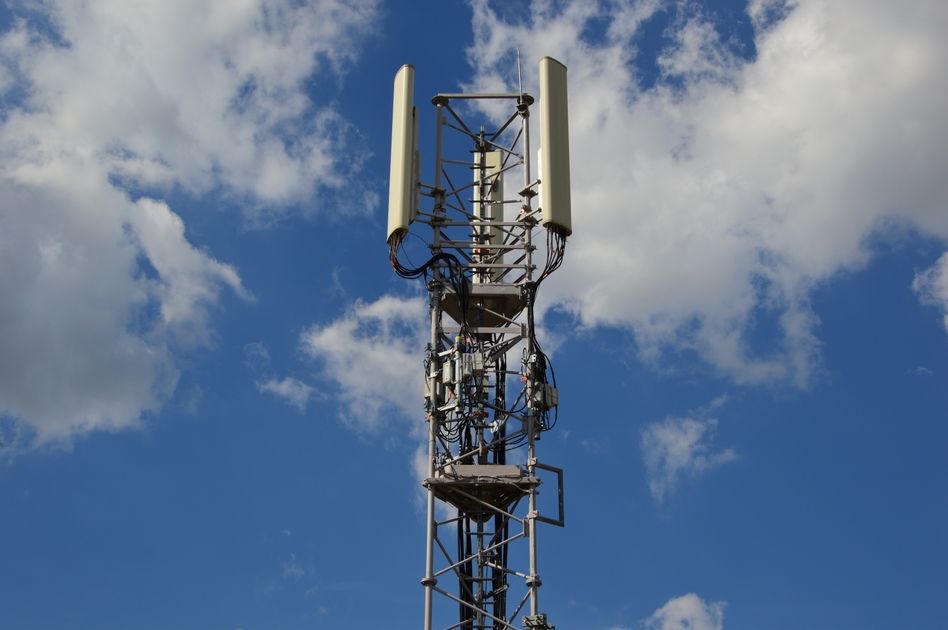
Photo by Ulrick Trappschuh on Pexels
Quick note: Supacells is an independent information site. We don’t sell wireless service. This article is educational only.
5G is still maturing. Standalone deployment continues. Network slicing is just becoming reality. Meanwhile, 6G research is already well underway, targeting commercial deployment in the early 2030s. This guide covers what’s coming for both technologies.
5G Evolution Roadmap
2026
- Standalone (SA) 5G expanding
- Network slicing commercial deployments begin
- 5G fixed wireless mainstream
- Private 5G networks proliferate
- mmWave deployment in dense urban areas
2027–2028
- SA mainstream
- Network slicing widespread
- 5G Advanced (5.5G) features
- Improved energy efficiency
- More extensive IoT deployments
2029–2030
- 5G Advanced ubiquitous
- Network slicing standard
- 6G commercial pilots beginning
- Continued spectrum expansion
- Integration with satellite networks
What’s in 5G Advanced (5.5G)
5G Advanced is an evolution of 5G with features standardized in 3GPP Releases 18–19:
| Feature | What It Adds |
|---|---|
| Reduced Capability (RedCap) devices | Cheaper IoT 5G chips |
| Better positioning | Centimeter-level location accuracy |
| Enhanced energy efficiency | Lower power consumption |
| AI-native operations | Network self-optimization |
| Improved coverage | Better edge performance |
| Higher uplink | Symmetric speeds more achievable |
Most users will see this as gradual improvement, not revolution.
6G — What’s Coming
6G research has been underway since the late 2010s. Expected characteristics:
| Metric | 5G | 6G Target |
|---|---|---|
| Peak speed | 10 Gbps | 1 Tbps |
| Latency | 1 ms | <0.1 ms |
| Frequencies | Sub-6 + mmWave | Sub-THz (95 GHz – 3 THz) |
| Energy efficiency | Improving | 100× better than 5G |
| Connection density | 1M/sq km | 10M/sq km |
| Deployment | 2019–ongoing | 2030–2035 commercial |
6G Use Cases (Speculative)
| Application | Why 6G Helps |
|---|---|
| Holographic communications | Massive bandwidth required |
| Tactile internet | Sub-millisecond latency |
| Pervasive AI | AI inference at network edge |
| Digital twins | Real-time replicas of physical systems |
| Wireless brain-computer interfaces | Ultra-low latency, high reliability |
| Space-based networks | Integration with LEO satellites |
| Indoor centimeter positioning | Replaces GPS indoors |
Many of these are speculative — current research aims to enable possibilities, not guarantee them.
6G Research Players
| Region | Key Initiatives |
|---|---|
| US | Next G Alliance, university research |
| EU | Hexa-X projects |
| China | IMT-2030 |
| South Korea | 6G Forum |
| Japan | Beyond 5G consortium |
International cooperation through 3GPP and ITU standards bodies.
Integration with Satellite Networks
5G Advanced and 6G are designed to integrate with satellite networks (NTN — Non-Terrestrial Networks):
- Direct-to-cell satellite (Apple, T-Mobile/SpaceX, etc.)
- Universal coverage
- IoT in remote areas
- Backup connectivity
- Aviation and maritime use
Apple’s Emergency SOS via satellite (iPhone 14+) is early example.
AI and Network Operations
Future networks will use AI extensively:
- Self-optimizing networks — automated tuning
- Predictive maintenance — fix before failure
- Traffic prediction — capacity planning
- Anomaly detection — security
- Personalized QoS — per-user optimization
What Will Probably Disappoint
Some hype likely to fall short:
- Universal hologram calls — bandwidth ready, devices not
- Mass adoption of AR glasses — slower than predicted
- Fully autonomous fleets — regulation slower than tech
- Wireless power — research stage
- Telesurgery mainstream — reliability concerns persist
What Will Probably Exceed Expectations
Areas likely to surprise:
- Cloud gaming on phones — combining 5G + edge computing
- Smart home IoT scale — billions of connected devices
- Industrial 5G — factory transformations
- Space-based connectivity — Starlink revolution accelerating
- AI-augmented connectivity — predictive, proactive networks
When You’ll Care
| Year | What Average User Will Notice |
|---|---|
| 2026 | Faster 5G in more places |
| 2027 | Lower latency more common |
| 2028 | More 5G home internet competition |
| 2029 | AI-enhanced network features |
| 2030 | Beginning of 6G commercial discussion |
| 2032+ | 6G in select markets |
Investment Implications
For consumers:
- Don’t pay flagship premium for “future-proofing” — networks evolve faster than expected, slower than marketed
- Phone lifespan continues lengthening — buy quality once, keep longer
- Plans evolve — promotions and unlimited continue
- Coverage expands — rural will see more options
Standards Bodies Driving Evolution
| Body | Role |
|---|---|
| 3GPP | Cellular technical standards |
| ITU | International coordination |
| IEEE | Some wireless standards |
| FCC | US spectrum allocation |
| Various government bodies | Spectrum allocation worldwide |
Helpful Resources
📖 FCC 5G/6G — US regulatory perspective.
📖 3GPP — cellular technical standards body.
📖 ITU — international telecommunications union.
📖 Next G Alliance — North American 6G research.
What Won’t Change
Despite all evolution:
- Smartphones remain primary connectivity device
- WiFi continues complementing cellular
- Privacy and security concerns persist
- Spectrum auctions drive deployment timing
- Rural-urban coverage gaps continue
FAQ — Future of 5G and 6G
Q: When will 6G be commercial? A: Early 2030s for commercial pilots. Mass deployment late 2030s.
Q: Will I need a new phone for 6G? A: Yes — 6G uses different frequencies and protocols requiring new hardware.
Q: Is 5G’s promise still being delivered? A: Partially — eMBB (faster smartphones) yes; URLLC (ultra-low latency) emerging; mMTC (massive IoT) deploying.
Q: What’s the biggest near-term change? A: Standalone (SA) 5G enables new capabilities. Network slicing commercializes. Private 5G grows.
Q: Should I wait for 6G before investing in 5G? A: No — 5G will be primary for 10+ years. 6G is far away.
Related Reading on Supacells
- 5G Technology Explained
- Standalone vs Non-Standalone 5G
- 5G Use Cases Beyond Phones
- 5G vs 4G LTE: Real-World Differences
- 5G Home Internet Explained
Bottom Line
5G continues evolving with Standalone, network slicing, and 5G Advanced features over 2026–2030. 6G research targets early 2030s commercial deployment with sub-THz frequencies and tactile internet capabilities. For most users, the 2026–2030 window will deliver gradual improvement (faster, more reliable, lower latency) rather than revolutionary change. Don’t over-invest in “future-proofing” — networks evolve faster than expected, slower than marketed.
Disclaimer: This article is for informational and educational purposes only. Supacells does not sell wireless service.
By Supacells Editorial · Updated May 9, 2026
- 6G
- future 5G
- wireless future